
HOW TO GROW › 🌱
How to Grow Phalaenopsis Orchids
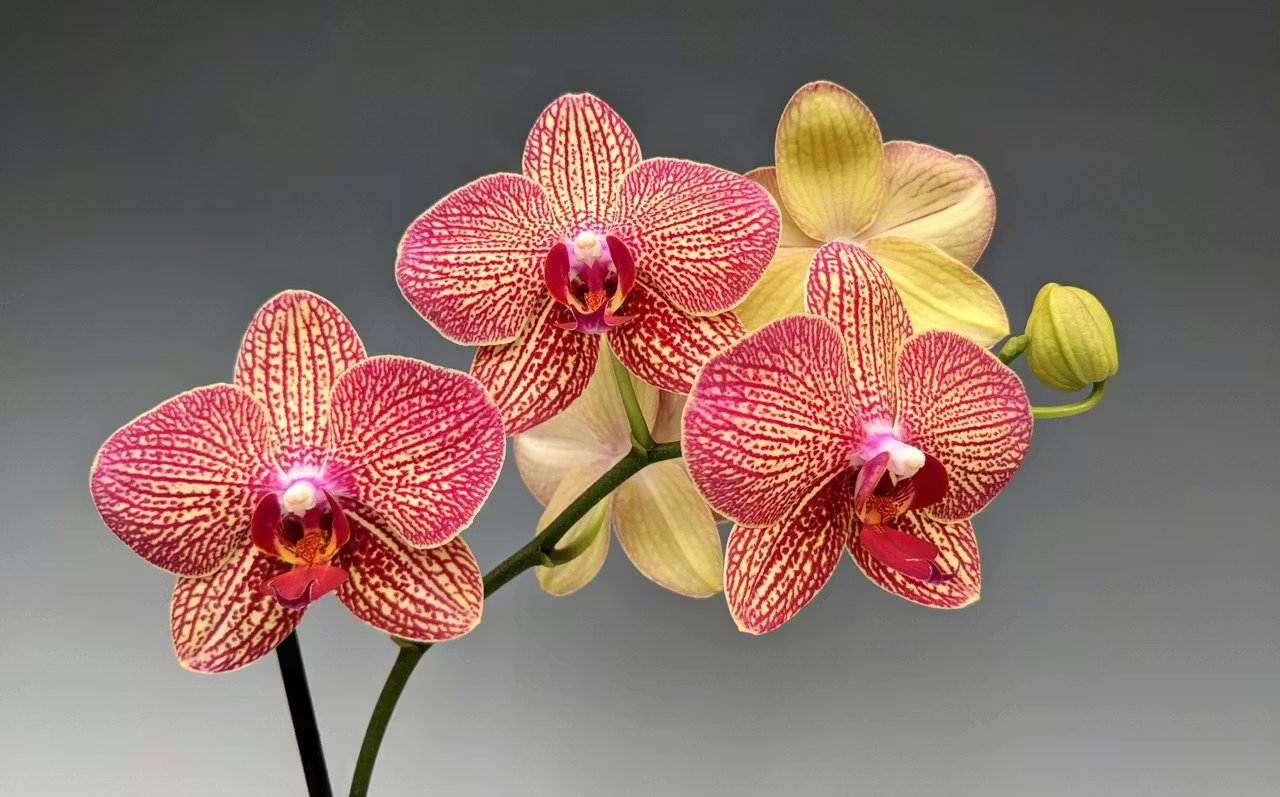
Phalaenopsis orchids, affectionately known as moth orchids are more than just elegant houseplants that silently judge your watering schedule. They are living sculptures of resilience, gentle teachers of patience, and occasional drama queens who wilt just enough to make you question all your life choices.
This guide is your calm, orchid-loving companion. Whether you’re nervously unboxing your very first orchid, its roots tangled like headphone wires in a clear pot or you’re a seasoned enthusiast trying to figure out why this one refuse to rebloom, the goal is the same: to replace confusion with confidence and fear with, “Ohhh, that’s why.”
Together, we’ll explore not just the “how,” but the “why.” We’ll go beyond simply keeping your orchid alive (congratulations, by the way, that’s already an achievement). You’ll learn to read the secret language of silvery roots and glossy green leaves, recreate the soft, dappled light of a forest canopy on a windowsill, and master watering as a mindful ritual not a guilt-filled guessing game.
The ultimate goal? Orchids that don’t bloom once and retire forever like a sad gift from last Valentine’s Day, but plants that recharge, rebloom, and become elegant, long-term residents in your home, year after rewarding year.
Let’s grow something beautiful, together 😊
Great for Growing
Great for Gifting
Orchid Care Basics: Understanding Your Phalaenopsis
Before you water, fertilize, mist, whisper encouragement, or panic-Google “why is my orchid sad,” the most important step in caring for a Phalaenopsis is understanding where it comes from. This isn’t botanical trivia it’s the master key that unlocks every care decision you’ll make.
Phalaenopsis orchids are native to tropical regions of Southeast Asia, including the Philippines, Indonesia, and parts of Australia. In the wild, they don’t grow in soil like most houseplants. Instead, they live high up in warm, humid forests, clinging to tree trunks and branches like elegant little acrobats. This makes them epiphytes, meaning they grow on other plants not in them. (Rest assured, they’re not parasites. Think “tree roommates,” not freeloaders.)
In their natural habitat, Phalaenopsis roots are fully exposed to air and light. When tropical rain falls, the roots quickly absorb moisture, then dry out just as fast thanks to warm temperatures and gentle breezes. That’s why orchid roots are thick, silvery-green, and covered in a spongy layer called velamen—it’s a built-in raincoat and sponge.
Their broad, fleshy leaves act as water reservoirs, storing moisture so the plant can coast comfortably between rains. Translation? Your orchid prefers a soak-and-dry rhythm, not perpetually soggy feet. Overwatering is far more dangerous than forgetting one watering.
Roots That Breathe, Leaves That Store
Temperature
Phalaenopsis orchids love warmth but they also love contrast.
Day: 24–29°C (i.e. 75°F–84°F)
This supports healthy Phalaenopsis (Moth Orchid) growth and photosynthesis.
Night: 15–18°C (i.e. 59°F–64°F)
This drop is important as it acts as a natural signal for the plant to produce a flower spike.
These orchids enjoy the same temperatures we do, but they need a little “nudge” to flower.
Watering
Water once a week during cool to cold weather from May to August. September onwards if it starts getting hot you may need to water twice a week and mist regularly. Best way to check if the media is still wet stick a plastic spoon or skewer in the media.
Repotting
Phalaenopsis roots like to photosynthesize so clear plastic pots are best. Repot every 1–2 years in fine bark mix and a little sphagnum moss.
Feeding
Any balanced orchid fertilizer (20- 20-20) can be used. Once a week with suggested dosage works well. Once a month use plain water to flush any accumulated salts from the potting mix.
Blooming
Blooms last 2–3 months; Cool nights in autumn help spike initiation.
Repotting
Every 2–3 years, after blooms have finished.
Watch Out
Bud blast = sudden temperature swings Crown rot = water sitting in crownwater sitting in crown.
Origin
Native to tropical Asia;
flowers resemble fluttering moths.


Testimonials
This orchid is more than a flower – it’s a living gift. With each bloom, it carries love, patience, and joy into your home. Nurture it gently, and it will reward you with beauty again and again. We love growing orchids – and ourselves – through shared experiences.


