
HOW TO GROW › 🌱
How to Grow Natasha ‘Aeiko’ AM/OSROC
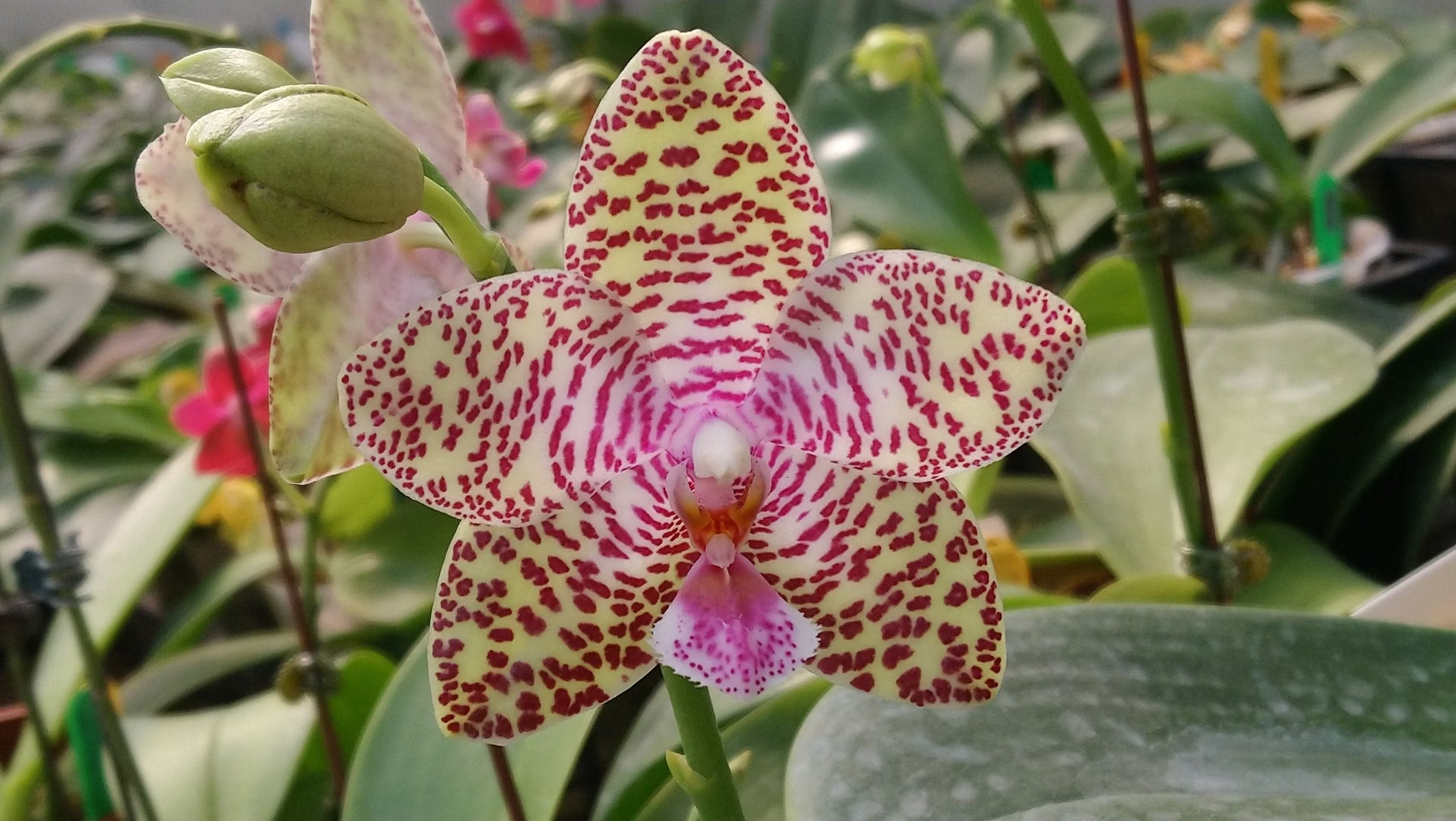
Some orchids are beautiful, and then there are orchids that make people stop mid-conversation and say, “Wait… what is that?”
Phalaenopsis Natasha ‘Aeiko’ AM/OSROC belongs firmly in the second category. Recognized with an AM (Award of Merit) from the Orchid Society of the Republic of China (OSROC), this exquisite moth orchid is admired for its elegant blooms, graceful form, and ability to bring months of beauty to homes and orchid collections.
The best part? Despite its award-winning status, this orchid doesn’t demand royal treatment. With the right balance of light, water, and patience, even beginners can enjoy spectacular blooms year after year.
Great for Growing
Ready for Gifting
Let’s explore how to help your Natasha ‘Aeiko’ thrive
Getting to Know Phalaenopsis Natasha ‘Aeiko’ AM/OSROC
Phalaenopsis orchids are often called Moth Orchids, thanks to flowers that resemble butterflies or moths in flight. The Natasha ‘Aeiko’ clone is particularly prized for:
- Exceptional flower shape
- Long-lasting blooms
- Elegant coloration
- Reliable flowering habits
- Strong growth when properly cared for
Like most Phalaenopsis, it originates from ancestors that naturally grow attached to trees in tropical forests, where they receive filtered light, warmth, and plenty of air movement.
In other words, this orchid wants to live comfortably not dramatically.
---
Light Requirements: Bright but Never Harsh
Light is one of the biggest factors influencing whether your orchid merely survives or truly flourishes.
Phalaenopsis Natasha ‘Aeiko’ enjoys:
- Bright indirect light
- East-facing windows
- Sheer-curtained south windows
- Bright rooms without direct afternoon sun
Direct sunlight can scorch the leaves and leave unsightly burns.
How to Tell If Lighting Is Correct
Healthy Light
- Medium green leaves
- Strong roots
- Consistent flowering
Too Little Light
- Dark green leaves
- Slow growth
- Failure to produce flower spikes
Too Much Light
- Yellow leaves
- Burn marks
- Heat stress
Think of your orchid as someone who enjoys a sunny holiday—but still insists on wearing sunscreen.
Watering: Consistency, Not Frequency
If orchids had complaints, overwatering would top the list.
Phalaenopsis Natasha ‘Aeiko’ likes moisture, but it absolutely hates soggy roots.
Generally:
- Water once every 7–10 days
- Increase watering during hot weather
- Reduce watering during cooler months
Rather than following a strict calendar, check the roots.
Healthy Roots
- Green when wet
- Silvery when dry
Clear plastic pots are ideal because the roots themselves help with photosynthesis and allow you to monitor moisture levels easily.
A simple bamboo skewer inserted into the growing medium can also help determine whether watering is needed.
Temperature & Humidity
This orchid prefers conditions similar to those humans enjoy.
Ideal Temperatures
Daytime
- 24–29°C
Night
- 16–20°C
Humidity between 50–70% is ideal.
Good air circulation is equally important. Orchids appreciate fresh air, but not cold drafts or direct blasts from fans.
A gentle breeze helps prevent fungal diseases and keeps the plant healthy.
Fertilizing Phalaenopsis Natasha ‘Aeiko’
Even award-winning orchids need good nutrition.
During active growth, feed with:
- Balanced fertilizer (20-20-20)
- Half-strength solution
- Once every week or two
The orchid community often follows the famous rule:
“Weakly, Weekly.”
Every month, flush the pot thoroughly with plain water to remove accumulated salts.
Overfeeding doesn’t produce more flowers, it simply stresses the roots.
Think of fertilizer as vitamins, not an all-you-can-eat buffet.
Repotting: Giving Your Orchid a Fresh Start
Phalaenopsis Natasha ‘Aeiko’ generally needs repotting every 1–2 years.
Signs that it’s time include:
- Decomposed potting media
- Overflowing roots
- Poor drainage
- Slow growth
The ideal mix contains:
- Fine orchid bark
- Sphagnum moss
- Perlite for additional aeration
Repotting should be done after flowering, when the plant is ready to produce new roots.
Avoid regular garden soil, it suffocates orchid roots faster than a bad Wi-Fi connection kills a Zoom meeting.
Blooming
One of the greatest joys of owning Phalaenopsis Natasha ‘Aeiko’ is watching it bloom again and again.
Flowers can last for two to four months, making it one of the longest-blooming orchids available.
To encourage flowering:
Provide:
- Bright indirect light
- Regular feeding
- Healthy roots
- Stable temperatures
- Cooler nights in autumn
The slight drop in night temperature signals to the orchid that it’s time to initiate a flower spike.
Patience is essential.
Today’s leaves become next season’s flowers.
Testimonials
This orchid is more than a flower – it’s a living gift. With each bloom, it carries love, patience, and joy into your home. Nurture it gently, and it will reward you with beauty again and again. We love growing orchids – and ourselves – through shared experiences.